Security, privacy and reputation for principal families
Wealth makes a family findable. Protecting it is less about gadgets than about habits, discretion and who you let close.
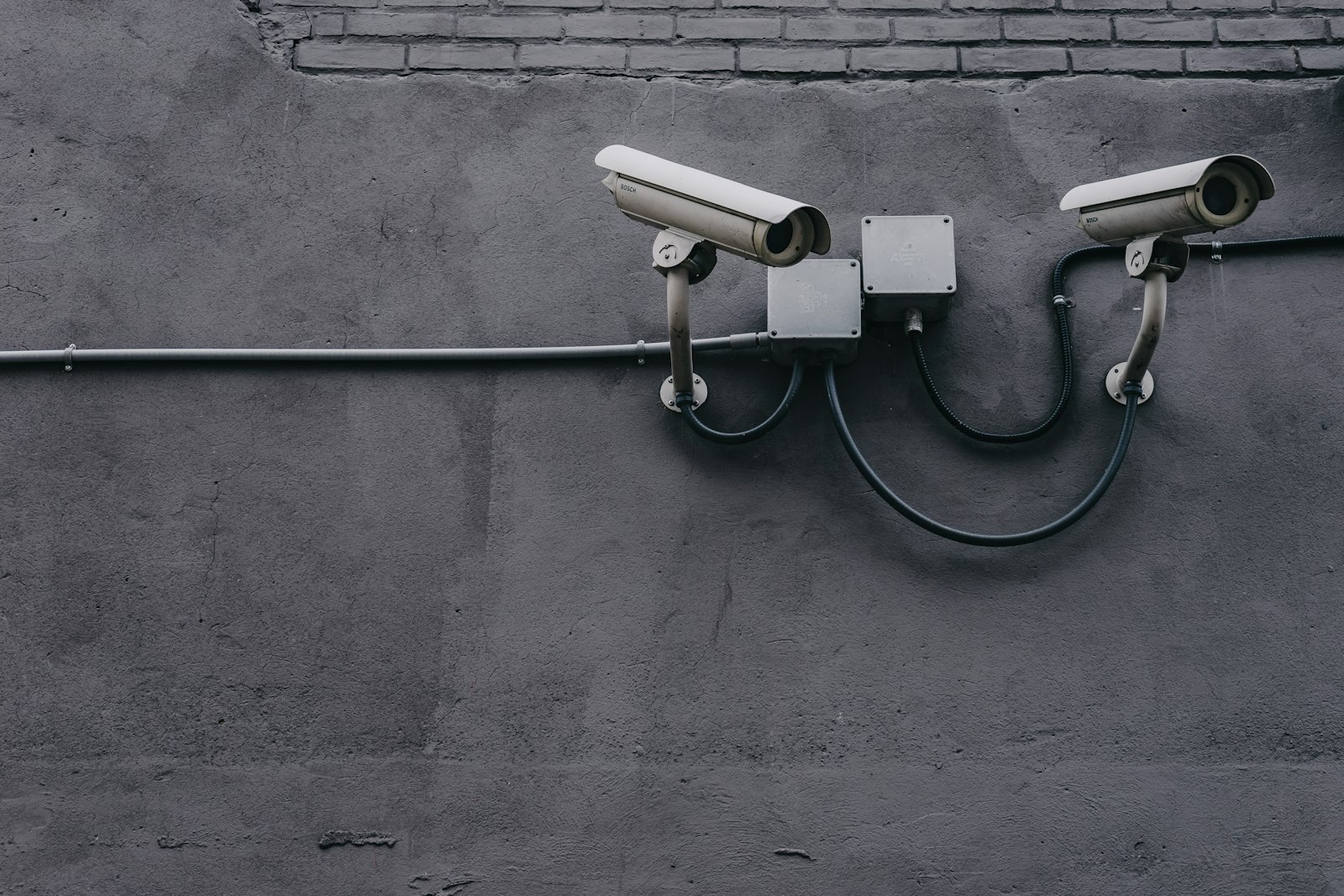
Most families think about security the way they think about insurance. A thing you buy, fit, and then stop thinking about. Cameras at the gate. A driver with the right training. A consultant who arrives, surveys the property, and leaves a report bound in leather. All of it real. Most of it beside the point.
The hard truth is that the weak point is rarely the perimeter. It is the family.
The exposure is behavioural
Wealth, once visible, makes a family findable. And almost everything that makes a family findable is something the family did to itself. A school named in a magazine profile. A holiday geotagged in real time. A staff member who mentions, at a dinner with friends, whose house they keep. A charity gala where the seating plan does half a stranger’s research for them. None of this is a failure of equipment. It is a failure of habit.
The people who study families for the wrong reasons do not break in. They read. They watch the patterns. The same car leaving at the same hour. The predictable August. The recurring table at the recurring restaurant. Routine is the gift a family gives to anyone paying attention, and most families hand it over without noticing.
This is why the most expensive protection often buys the least. A team of guards changes how a house looks. It does not change what a family posts, where it eats, or how loudly it lives. The gadget addresses the threat the family can picture. The habit addresses the one it can’t.
So the work is quieter than it sounds. Vary the routes and the hours. Keep the property off the photographs. Treat the location of children as information, not conversation. Decide, as a family, what is simply never said aloud outside the household, and then hold to it when it is inconvenient. Discretion is dull. That is the point.
Staff sit at the centre of this. The people closest to a family know its rhythms better than any outsider could, and they talk, because everyone talks. The answer is not suspicion. It is clarity. People who understand why discretion matters tend to keep it. People who are simply told to be quiet, without reason, eventually aren’t. A household that treats its staff as part of the security culture, rather than a risk to be managed, is safer than one that wires the doors and says nothing.
The next generation leaves a trail
The harder problem walks in with the children.
A principal can be taught to go quiet. A nineteen-year-old has spent their whole life being loud, in the way their generation is loud, in public, in real time, to an audience they will never meet. The footprint is enormous and it is permanent. Tagged locations. The car. The watch. The friends whose own accounts reveal what the family’s own discretion concealed. A young person rarely intends to expose anything. They simply live online as everyone they know does, and the family’s privacy leaks through them.
You cannot lecture this away. Telling a young adult to delete their accounts produces resentment and a second account you don’t know about. What works is earlier, and softer. Treating the family’s privacy as something the next generation has a stake in, rather than a rule imposed on them. Explaining, plainly, why a geotag matters and a stranger’s interest is not flattering. The point is not fear. It is judgment, built young, so that discretion becomes instinct rather than instruction.
Reputation is an asset, managed quietly
The last layer is the one families notice last. Reputation.
A family’s name is an asset, and like any asset it can be spent, damaged, or quietly compounded. The instinct, when something appears that a family dislikes, is to react. Lawyers. Statements. A loud correction that doubles the audience for the thing it meant to bury. Most of the time the wiser move is the dull one. Say little. Let the record speak. Build, over years, a reputation so consistent that a single bad line cannot define it.
Reputation is managed the way good security is managed. Before the event, not after. By the same discipline of not saying the thing, not chasing the moment, not feeding the appetite of people who would rather a family be interesting than left alone.
None of this requires a fortress. It requires a culture. A family that decides, together, to be a little less visible and a little more deliberate has done more for its safety than any contract for guards will deliver. The gadgets have their place. They are just the smallest part of it.