Multiple home ownership is creating new challenges for family offices
Wealthy families now move between homes across several countries, most of them empty for much of the year. Jo Eccles, a London buying agent and property manager, on why running those portfolios has outgrown the in-house model.

When I started my career 20 years ago, our wealthy clients often owned a principal home and maybe a holiday home or pied-à-terre. In recent years, wealth has become much more mobile and international, with a noticeable shift towards multi-location living, with families moving between a network of homes and running businesses across multiple countries and continents.
Knight Frank’s 2026 Wealth Report confirms this trend, with the traditional model of owning a single principal residence giving way to “cross-border footprints” and creating demand for homes in multiple global markets. Among our own clients in prime central London, approximately 70 per cent own at least two or three strategically located properties. These are turnkey residences, furnished to the highest specification, which are typically only occupied for a few weeks or months each year.
Owners can arrive, often at short notice, and understandably expect their home-from-home property to be ready and waiting for them: warm (or cool!), immaculate and with the fridge fully stocked. Yet ensuring the property is ready for use while keeping it secure, perfectly maintained and compliant with insurance obligations during lengthy unoccupied periods can present a significant operational challenge for family offices, which increasingly find themselves responsible for overseeing multiple homes across the globe.
How they handle this varies. In many cases, responsibility is divided between family office executives, household staff and local contractors, who juggle accountability for the condition, security and operation of each individual asset — and strategic oversight of the portfolio. This might be manageable when a family owns a principal residence in the UK and a holiday home abroad, but it can be a high-risk approach when properties are spread around the world and empty for much of the year.
Every individual property comes with separate insurance requirements, security systems, utility accounts, maintenance schedules, tax obligations and regulatory requirements. The local knowledge and contacts required to operate a home in New York, for example, are vastly different to those needed in London or Dubai. Each new acquisition creates another network of contractors and staff, another regulatory and property tax regime and another set of bills. Insurance policies can easily lapse, routine maintenance can be missed and expenditure can become difficult to track.
Others place responsibility on a housekeeper or other employee who often resides at the property. This creates a sense of security and keeps insurers happy, but they may lack the network and clout with high-quality contractors, the technical knowledge to assess a problem or test systems, or the access to funds to pay the bill. I recently viewed a property in Little Venice where the family’s PA was diligently sitting at the kitchen table working away on their laptop, oblivious to the fact that the air conditioning was leaking upstairs and the bedroom carpet had been ruined. Presence in a property does not always mean active oversight.
Family offices that have historically managed their property portfolios in house are increasingly finding the workload has become disproportionate and that they lack the necessary skills and local contacts, with no reliable way of assessing whether a repair is necessary, who to call, or how to know if a contractor’s quote is reasonable. Demand for our Home Management services has more than doubled over the past two years as homeowners and family offices recognise the value of outsourcing this function. This reflects not only an increase in the number of homes owned, but growing recognition that these high-value assets cannot be managed effectively by simply reacting when something goes wrong. Having a trusted presence on the ground is also invaluable, from keyholding, out-of-hours support, scanning post and paying bills, to arranging cleaning and taking delivery of groceries ahead of the family’s arrival.
These pressures are likely to intensify as the next generation of wealth emerges. New family offices are being created around younger entrepreneurs and tech founders, often in their 20s or 30s, who often have little or no previous experience of acquiring or managing a single home, let alone an international portfolio. They need guidance not just to buy the right property, but to ensure it runs seamlessly from day one of ownership.
As wealthy families become more mobile and international, effective home management will become an increasingly important part of the family office remit. Whatever model they choose, family offices will need clear lines of responsibility and oversight to ensure these homes remain protected assets and places their owners can enjoy whenever they wish.
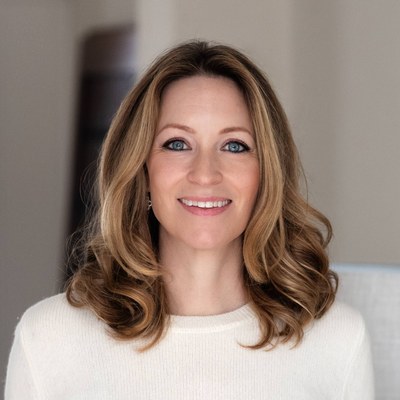
Jo Eccles is the founder and Managing Director of Eccord, a buying agency and property management firm in prime central London.