Why today's art market rewards conviction, not headlines
Headlines keep celebrating record prices, but beneath them the market has become sharply selective. Thomas Reinshagen, an independent art adviser in Zurich, on the discipline that now separates lasting collections from expensive ones.
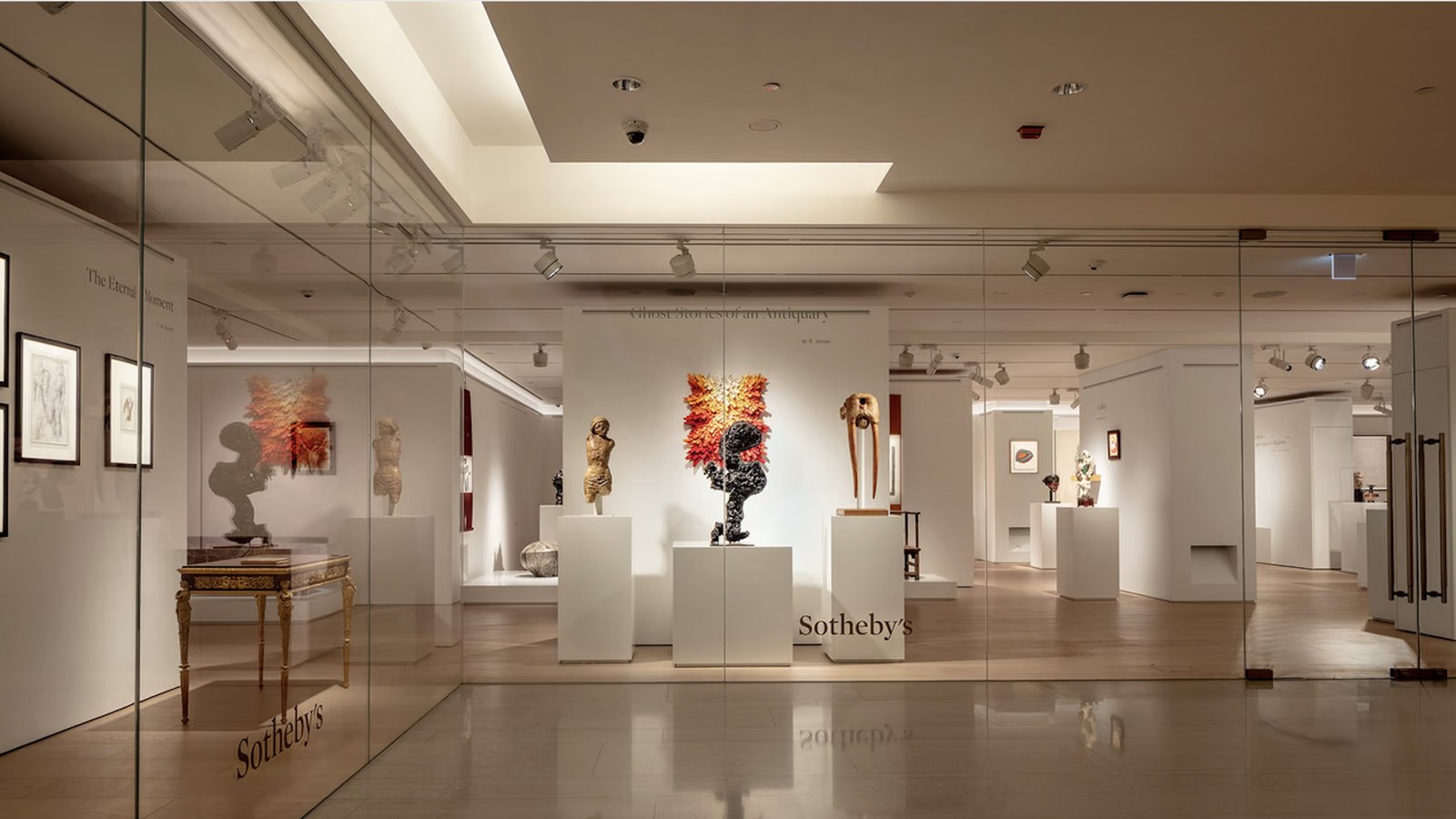
Over the past year, the art market has created a misleading impression. Headlines continue to celebrate record-breaking auction prices, yet beneath those exceptional sales the market has become increasingly selective. Outstanding works still command extraordinary demand, while average-quality works often struggle to find buyers. This is not a contradiction — it is the defining characteristic of today’s market.
In my view, this shift represents a healthy correction rather than a weakness. Collectors who focus on quality, scholarship and long-term thinking are now being rewarded, while speculation and momentum-driven buying have become significantly more difficult.
Throughout my career advising collectors and family offices, I have found that the most enduring collections are never built by following market sentiment. They are created through discipline, patience and a clearly defined collecting philosophy.
Today’s environment reinforces several principles that I believe matter more than ever.
- Collect with conviction. Acquire works that create a lasting intellectual and emotional connection rather than reacting to market excitement.
- Define a strategy. Every successful collection begins with a clear vision, a realistic budget and a long-term objective.
- Think beyond financial returns. Exceptional art represents cultural capital as much as financial capital. The greatest collections create meaning long before they create value.
- Buy the very best quality available. Museum-quality works, impeccable provenance, strong condition and institutional recognition increasingly separate themselves from the broader market.
- Build privileged access. Relationships with artists, galleries, advisers and experienced collectors continue to create opportunities unavailable through public markets.
- Identify tomorrow's leaders early. Originality, consistency and institutional potential matter far more than temporary popularity.
- Avoid speculation. Scarcity marketing, social media hype and short-term price momentum rarely build lasting collections.
- Protect every acquisition. Documentation, provenance and professional collection management are no longer optional — they are fundamental components of value.
- Use artificial intelligence intelligently. AI has become an outstanding research and due diligence tool, but it cannot replace experience, judgement or personal vision. The emotional and cultural significance of art remains a uniquely human decision.
- Think in generations, not market cycles. The finest collections are built with succession, philanthropy and legacy already in mind.
Today’s market is increasingly separating exceptional collections from merely expensive ones. I believe this trend will continue. In an environment where information is abundant and speculation is easy, the true competitive advantage is no longer access to data — it is clarity of judgement.
The collectors who will build the great collections of the next generation are unlikely to be those chasing headlines. They will be those with the confidence to ignore them.